Grow Hydrangeas Indoors For Beautiful Blooms All Year Long
Grow Hydrangeas Indoors for Beautiful Blooms All Year Long
Hydrangeas are beautiful flowering shrubs that are known for their large, colorful blooms. They are typically grown outdoors, but it is possible to grow them indoors as well. With a little care and attention, you can enjoy hydrangeas in your home for many years to come.
Here are some tips on how to grow hydrangeas indoors:
- Choose the right variety. Not all hydrangea varieties are suited for indoor growing. Look for varieties that are known for their compact size and long blooming period. Some good choices include Endless Summer hydrangeas, PeeGee hydrangeas, and Oakleaf hydrangeas.
- Provide bright, indirect light. Hydrangeas need plenty of light to bloom, but they should not be exposed to direct sunlight. A south-facing window with sheer curtains is ideal.
- Use a well-draining potting mix. Hydrangeas are susceptible to root rot, so it is important to use a potting mix that drains well. A mix specifically formulated for hydrangeas is a good option.
- Water regularly. Hydrangeas need to be watered regularly, especially during the blooming period. Allow the top inch of soil to dry out between waterings.
- Fertilize monthly. Hydrangeas need to be fertilized monthly during the growing season. Use a balanced fertilizer that is high in phosphorus.
- Prune in the spring. Hydrangeas should be pruned in the spring to encourage new growth and blooms. Remove any dead, damaged, or diseased branches.
- Bring the plant outdoors in the summer. If you live in a warm climate, you can bring your hydrangea plant outdoors in the summer. Place it in a shady spot and water it regularly.
With proper care, your hydrangea plant will thrive indoors and produce beautiful blooms all year long.
Here are some additional tips for growing hydrangeas indoors:
- If your plant is not blooming, it may not be getting enough light. Move it to a brighter spot or supplement with artificial light.
- If the leaves of your plant are turning yellow, it may be getting too much water. Allow the soil to dry out more between waterings.
- If the leaves of your plant are turning brown, it may be getting too little water. Water it more regularly.
- If your plant is infested with pests, treat it with an insecticidal soap or neem oil.
- If your plant is developing diseases, treat it with a fungicide.
With a little care and attention, you can enjoy hydrangeas in your home for many years to come.
If you're looking for a beautiful and easy-to-care-for indoor plant, look no further than the hydrangea. These stunning flowers come in a variety of colors, from classic blue and pink to more exotic shades like purple and green. Hydrangeas are also relatively low-maintenance, making them a great choice for even the most novice plant parents.
To learn more about hydrangea indoor plant care, I recommend visiting . This website has a wealth of information on everything from choosing the right pot and soil to watering and fertilizing your plant. You can also find tips on how to revive wilted hydrangeas and how to get your plant to bloom its best.
FAQ of hydrangea indoor plant
- What are the basics of hydrangea care?
Hydrangeas are relatively easy to care for, but they do have some specific needs. They prefer part sun to full shade, and they need moist, well-draining soil. They should be watered regularly, and they may need to be fertilized every few weeks during the growing season.
- How do I revive an indoor hydrangea that is wilting?
If your indoor hydrangea is wilting, it is likely due to underwatering. Check the soil moisture and water the plant thoroughly. You can also try submerging the plant in water for a few hours to help it rehydrate.
- What is the best way to fertilize an indoor hydrangea?
The best way to fertilize an indoor hydrangea is to use a balanced fertilizer, such as a 10-10-10 fertilizer. Apply the fertilizer every few weeks during the growing season.
- How do I propagate an indoor hydrangea?
Hydrangeas can be propagated by stem cuttings. To take a stem cutting, cut a 4-6 inch piece of stem from a healthy plant. Remove the leaves from the bottom 2 inches of the cutting. Dip the cutting in rooting hormone and plant it in a pot of moist potting mix. Keep the soil moist and the cutting in a warm, shady location. The cutting should root in a few weeks.
- What are some common problems with indoor hydrangeas?
Some common problems with indoor hydrangeas include:
- Wilting: This is usually due to underwatering.
- Leaf drop: This can be caused by underwatering, overwatering, or a lack of sunlight.
- Pests and diseases: Hydrangeas can be susceptible to pests such as aphids, spider mites, and scale insects. They can also be susceptible to diseases such as powdery mildew and leaf spot.
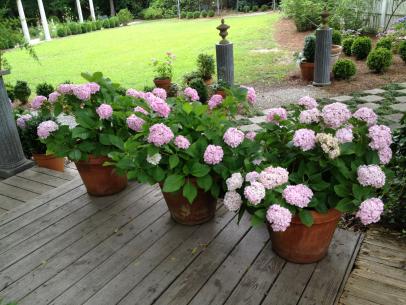
Image of hydrangea indoor plant
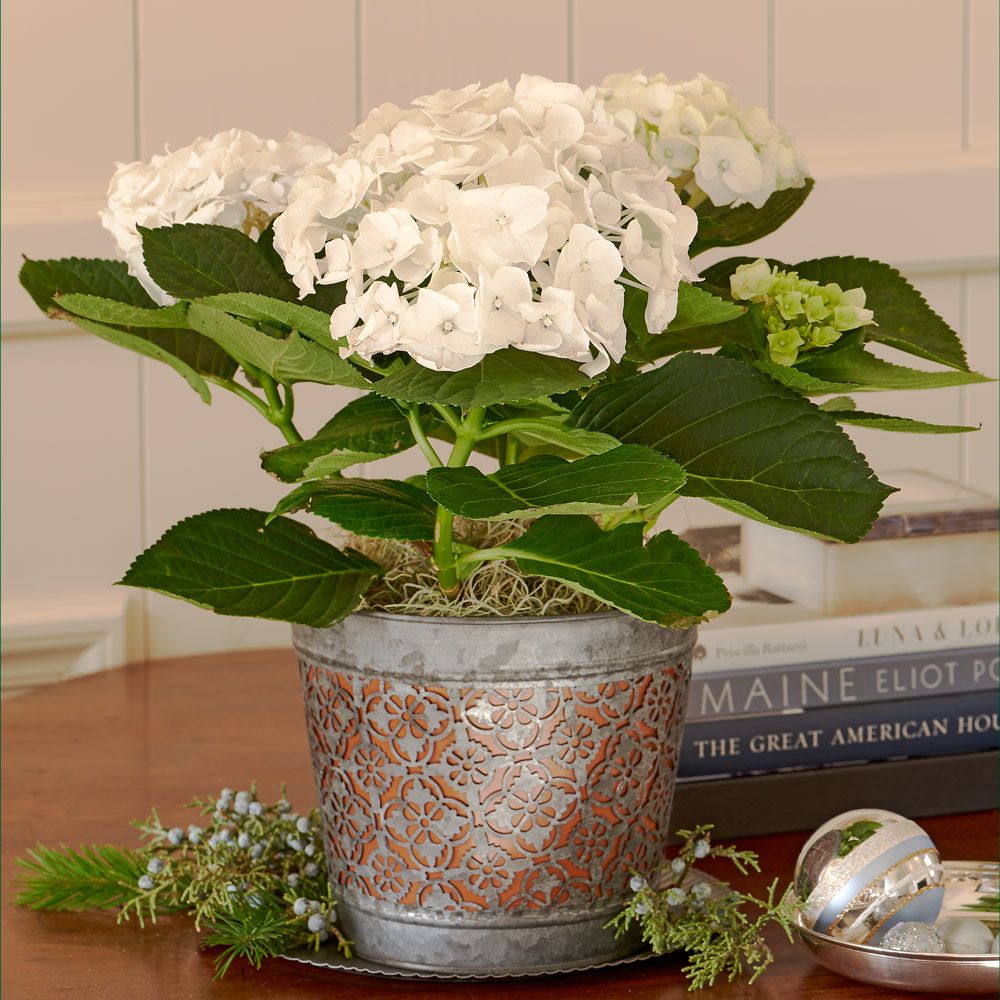
- A white hydrangea plant in a pot on a windowsill. The plant has large, round flowers that are blooming.
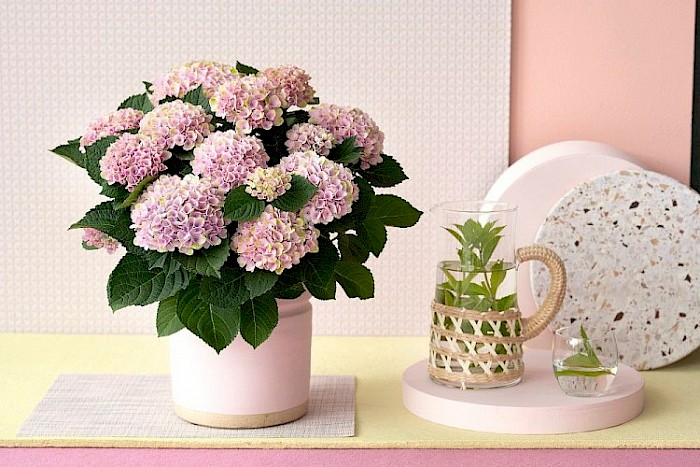
- A pink hydrangea plant in a pot on a coffee table. The plant has large, cone-shaped flowers that are blooming.
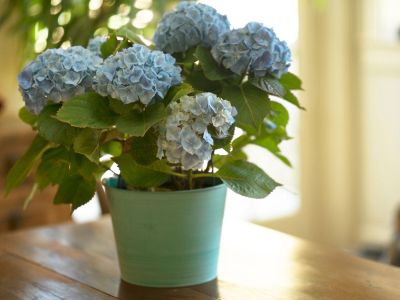
- A blue hydrangea plant in a hanging basket. The plant has large, lacecap flowers that are blooming.
- A mix of pink, blue, and white hydrangea plants in pots on a shelf. The plants are all in the early stages of blooming.
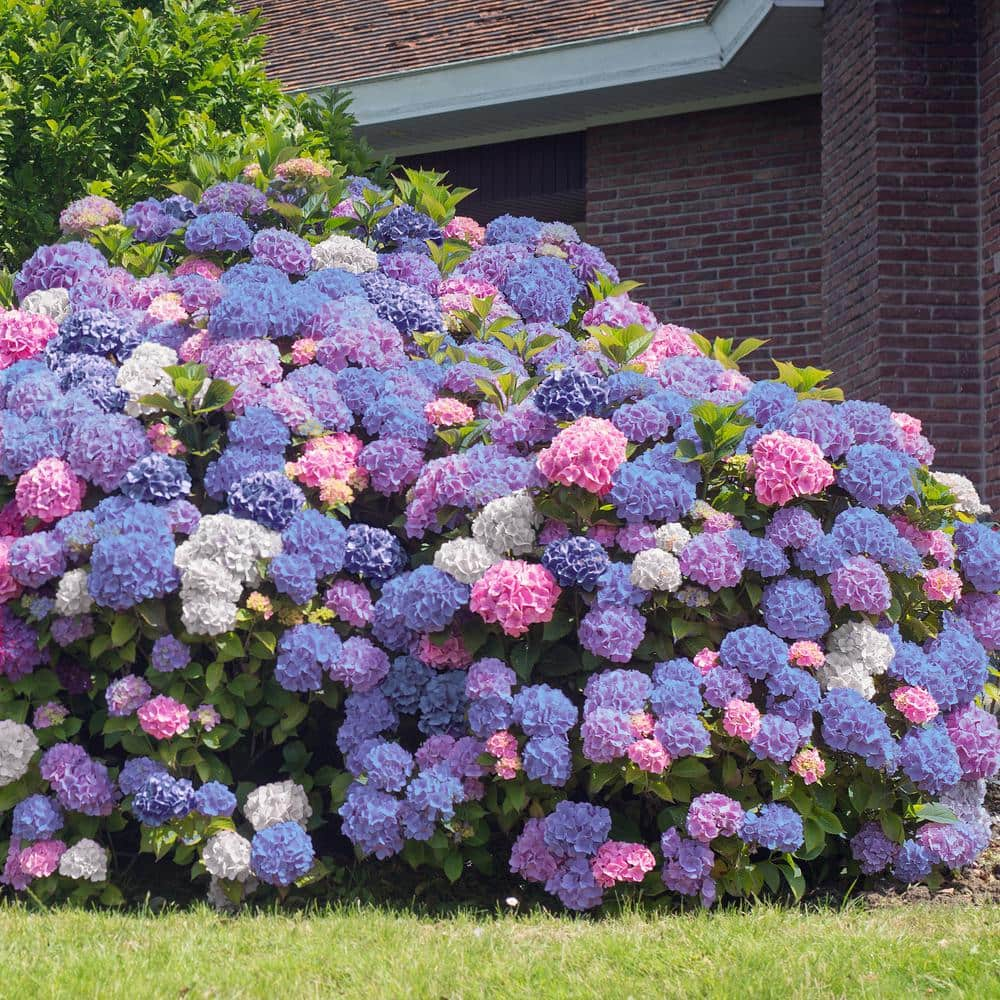
- A hydrangea plant in a pot on a patio. The plant is surrounded by other plants and flowers. The hydrangea plant is in full bloom.

Post a Comment for "Grow Hydrangeas Indoors For Beautiful Blooms All Year Long"